Posing Guide for Stunning Photos
When it comes to photography, posing can make the difference between a photo that feels awkward and one that feels confident, natural, and timeless. Whether you're preparing for a professional session in Katy or Cypress, TX—or just want to feel more comfortable in front of the camera—these posing tips will help you look your best.
This guide covers masculine and feminine posing styles, tips for different body shapes, and simple ways to practice at home so you show up confident and camera-ready.
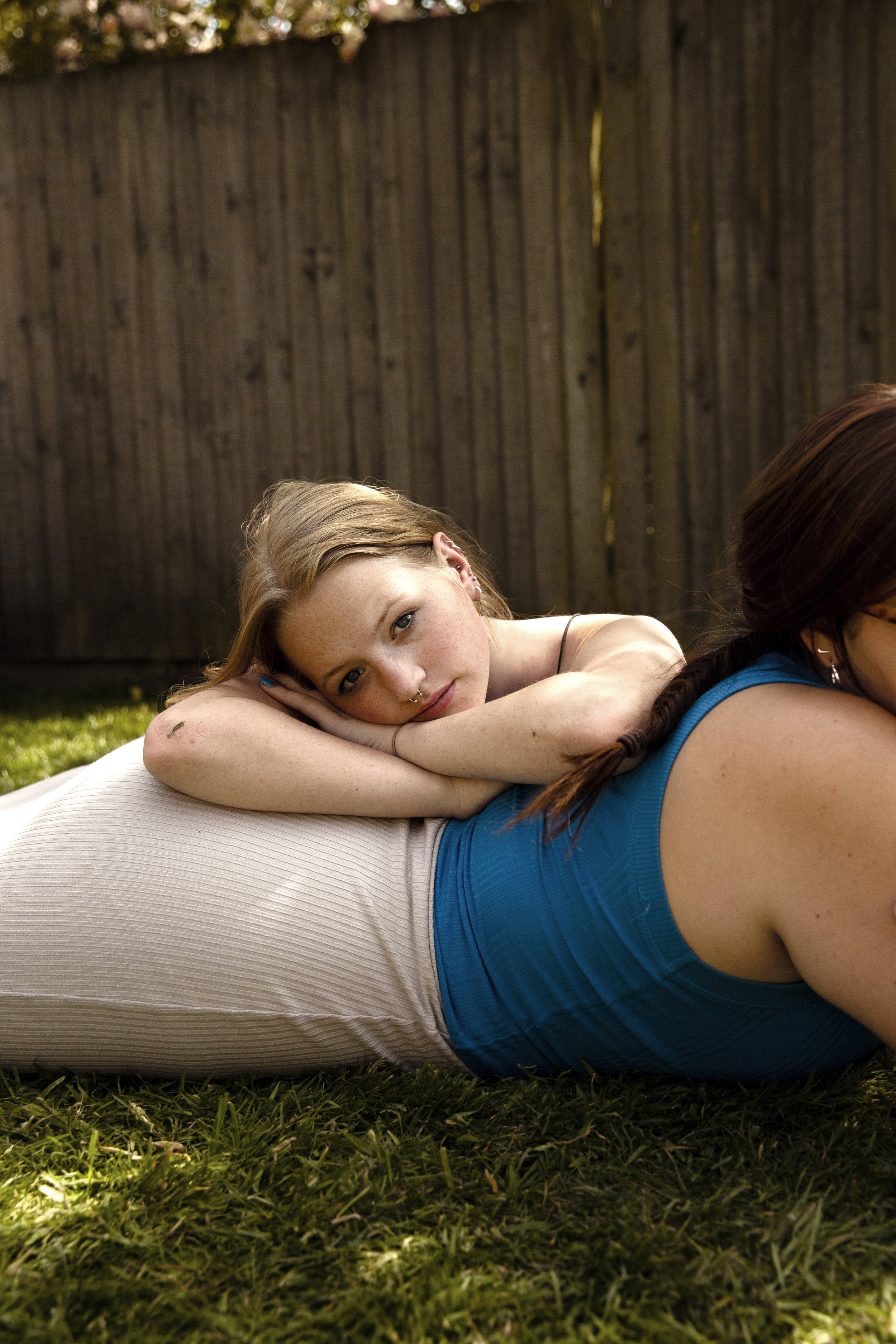
Why posing matters in photography –
Great posing isn’t about being stiff or overly styled—it’s about subtle adjustments that create flattering angles, natural movement, and authentic expression. A skilled photographer will guide you, but understanding the basics helps you feel more relaxed and confident during your session.
Masculine Posing Tips
Masculine posing often emphasizes strength, structure, and confidence through clean lines and controlled posture.
1. Create Strong Angles
Keep your shoulders squared or slightly angled. Avoid slouching—stand tall with your chest open.
2. Relax the Hands
Hands can feel awkward. Place them in pockets, adjust a jacket, or loosely clasp them to avoid stiffness.
3. Use Subtle Leaning
Leaning slightly toward the camera can create a confident, engaged look without feeling aggressive.
4. Keep the Jaw Defined
Slightly push your chin forward and down to avoid a double chin and create a sharper jawline.
Feminine Posing Tips
Feminine posing typically focuses on softness, curves, and fluid movement.
1. Shift Your Weight
Place weight on one leg to create a natural curve in your hips and body.
2. Create Space
Avoid pressing arms flat against your body—this helps maintain shape and avoid a compressed look.
3. Soften the Hands
Keep fingers relaxed and slightly separated for a more elegant, natural appearance.
4. Use Movement
Gentle movement—like walking, turning, or adjusting hair—creates more organic, candid-feeling images.
Posing for Different Body Types
Every body is unique, and the goal of posing is to highlight your best features while creating balance and proportion.
For Curvier Body Types
Turn slightly to the side instead of facing the camera straight on
Use arms to create shape at the waist
Avoid stiff, straight-on poses—angles are your friend
For Slim or Straight Body Types
Add dimension with layers, movement, or bent limbs
Use poses that create curves (like shifting hips or bending knees)
Avoid overly rigid posture
For Athletic Builds
Highlight structure with strong posture and defined angles
Use natural stances that show confidence without stiffness
Keep movements controlled and intentional
For Petite Frames
Elongate your body by standing tall and avoiding compressed poses
Use vertical lines and avoid crouching or overly tight poses
Slight angles help create the illusion of height
How to Practice Posing at Home
The best way to feel confident during your session is to practice beforehand.
1. Use a Mirror
Try different angles, expressions, and posture adjustments. Notice what feels natural and flattering.
2. Record Yourself
Use your phone to take photos or short videos. This helps you see how small changes affect your look.
3. Study Inspiration
Look at photos you like and recreate those poses. Pay attention to posture, hand placement, and angles.
4. Practice Relaxation
Tension shows in photos. Practice deep breathing and loosening your shoulders and hands.
5. Build Muscle Memory
The more you practice, the more natural posing will feel—so you’re not overthinking during your session.
Final Thoughts
You don’t need to be a model to look great in photos. With the right guidance and a little preparation, posing becomes second nature. Whether your style leans masculine, feminine, or somewhere in between, the key is confidence, comfort, and subtle movement.
Taking time to understand posing will help you get the most out of your experience—and walk away with images you truly love.